
Lisa LaFlamme: Authority, Trust, and the Changing Face of Canadian Journalism


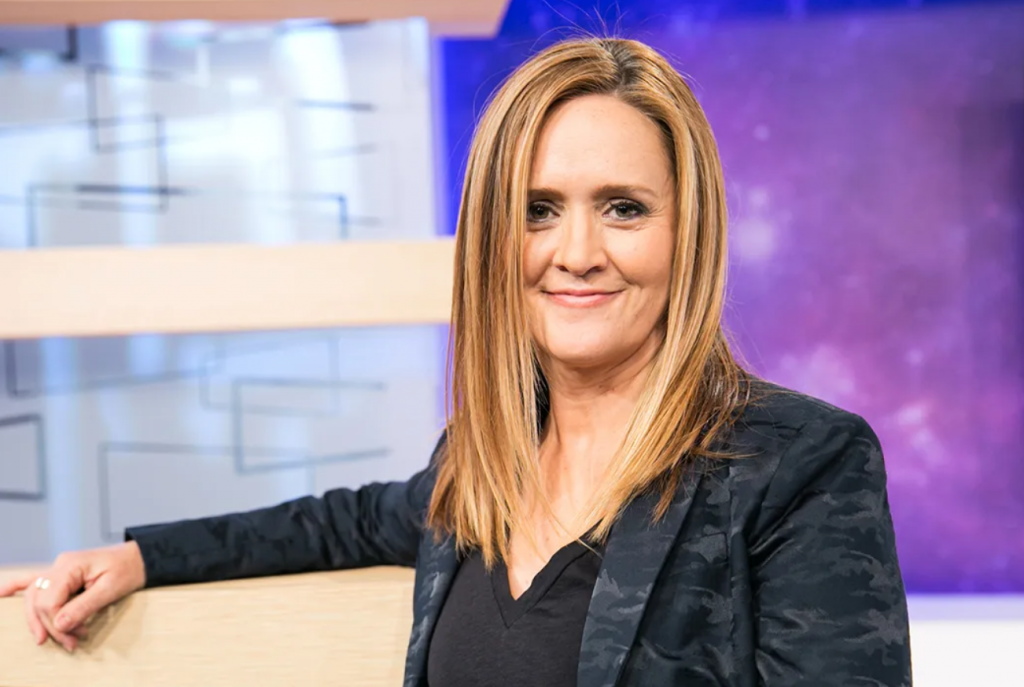
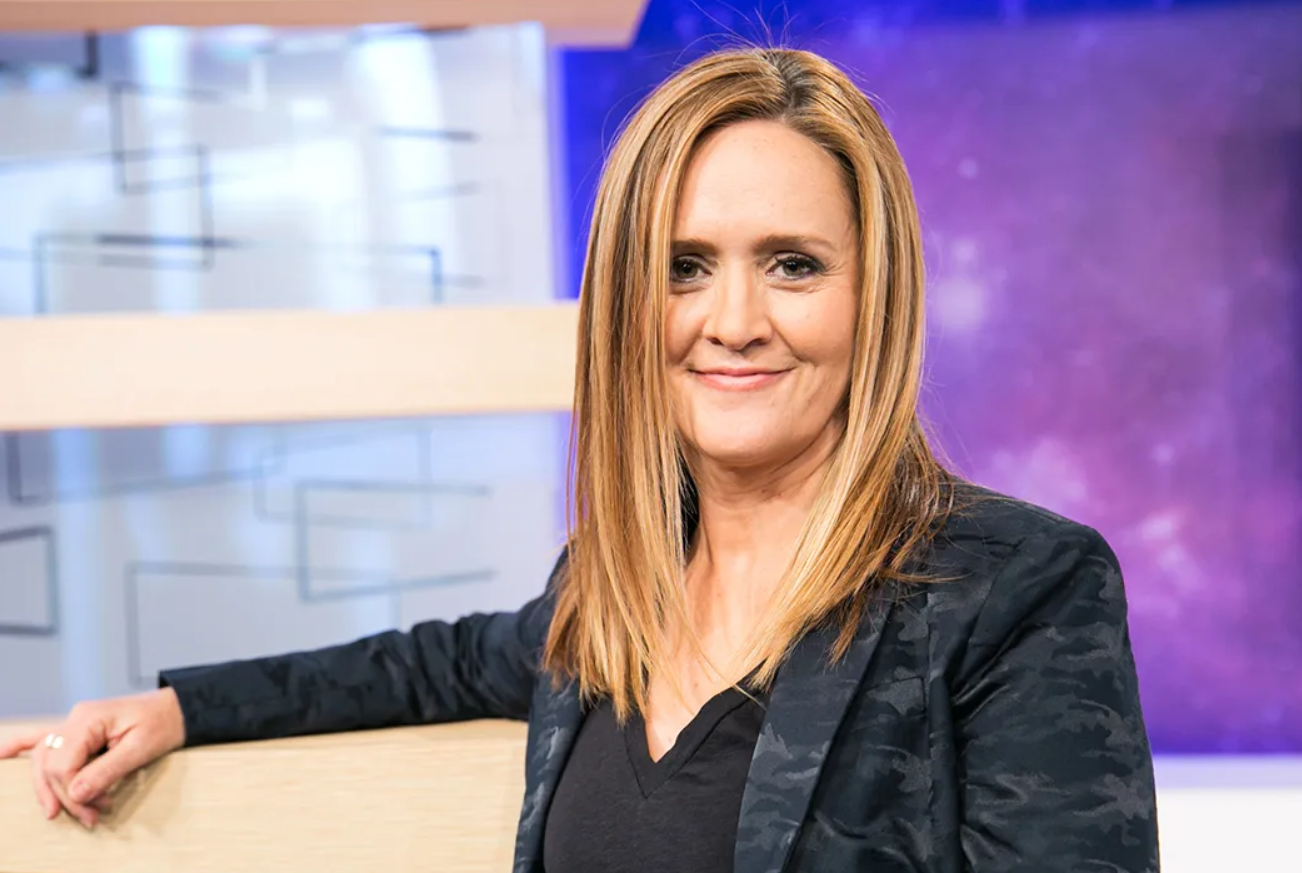
Lisa LaFlamme is one of Canada’s most respected television journalists. Her career has been defined by authority, clarity, field reporting, and a calm presence during moments of national and international crisis. For many viewers, she became a trusted guide through wars, elections, royal events, humanitarian disasters, and major breaking news. Her significance lies not only in the stories she covered, but in the kind of journalistic presence she represented.
Born in Kitchener, Ontario, LaFlamme built her career through years of reporting before becoming one of the most visible news anchors in Canada. She studied at the University of Ottawa and began in local news before moving into national broadcasting. This progression matters because her credibility was not created overnight. It came from field experience, editorial discipline, and a deep familiarity with the demands of television journalism.
LaFlamme became widely known through her work with CTV News. Before becoming chief anchor and senior editor of CTV National News, she served as a national affairs correspondent and international correspondent. That reporting background shaped her authority at the anchor desk. She was not simply reading the news; she had spent years seeing how news is gathered under difficult conditions.
Her reporting took her to conflict zones, disaster areas, and major global events. She covered wars, humanitarian crises, elections, and royal ceremonies. This range gave her public image a seriousness that extended beyond studio presentation. Viewers trusted her because she had been present in the field, often in situations where journalism requires not only communication skills, but courage, judgment, and emotional discipline.
In 2011, LaFlamme became chief anchor and senior editor of CTV National News, replacing Lloyd Robertson. Taking over from such a long-serving and familiar figure was a major responsibility. Canadian national news anchors often become part of the country’s daily routine; they enter homes at the same time each evening and help shape the public understanding of events. LaFlamme succeeded because she combined professionalism with warmth. She appeared composed without seeming distant.
Her years as anchor coincided with a turbulent period in world affairs: political instability, climate disasters, the COVID-19 pandemic, social movements, and major international conflicts. During such moments, the role of a news anchor is not simply to deliver information. It is to create order from uncertainty. LaFlamme’s style was measured, clear, and serious, which helped make her a reliable presence during unsettling times.
Her departure from CTV in 2022 became one of the most discussed media stories in Canada. The network described the decision as a business matter, while LaFlamme publicly said she had been blindsided. The event triggered a wider conversation about age, gender, journalism, corporate media decisions, and the treatment of women in broadcasting. Biographical summaries note that she served as chief anchor and senior editor of CTV National News from 2011 to 2022 and that her departure generated major public attention.
The public reaction to her dismissal revealed the depth of trust she had built with viewers. Many Canadians were not simply responding to a staffing change. They were reacting to the loss of a familiar and respected journalistic figure. The controversy also became symbolic because it touched on broader questions: How are older women treated on television? What kind of authority is valued in news? Who gets to age publicly? How much do corporate decisions shape the news voices audiences rely on?
After leaving CTV, LaFlamme continued to appear in major journalistic contexts, including work connected to royal coverage. Her ongoing presence showed that her credibility was not limited to one network. She had become a journalistic figure in her own right, with a reputation that could travel beyond a single institutional home.
LaFlamme has also been recognized for humanitarian work and professional achievement. She has been associated with organizations supporting journalism, human rights, and education, including work connected to Journalists for Human Rights and advocacy for women and children. She was appointed to the Order of Canada, with recognition connected to her contributions to journalism and her support for human rights.
Her career reflects the changing nature of television news. The old model of the national anchor as a nightly authority figure has been challenged by digital media, social platforms, fragmented audiences, and declining trust in institutions. Yet LaFlamme’s popularity suggests that audiences still value professionalism, experience, and seriousness. In a media environment full of noise, the calm authority of a trusted journalist can remain powerful.
What made Lisa LaFlamme effective was not theatricality. She did not build her reputation through flamboyant commentary or personal branding in the style of opinion media. Her strength was steadiness. She could deliver difficult news without sensationalism, ask serious questions without performance, and maintain composure while still communicating empathy.
Her influence is especially meaningful for women in journalism. She became one of the most prominent women in Canadian news and held one of the country’s most important anchor positions. Her career demonstrated that authority on television does not have to look or sound male. It can be calm, precise, intelligent, and deeply experienced.
In the end, Lisa LaFlamme’s legacy is about trust. Trust is the most valuable currency in journalism, and it is built slowly. It comes from showing up, getting facts right, asking responsible questions, and treating serious events with the gravity they deserve. LaFlamme earned that trust over decades. Her career remains a major chapter in Canadian broadcasting, not only because of where she worked, but because of what she represented: journalism as public service, practiced with discipline and dignity.